
Why Does My Home Inspection Recommend Further Evaluation? Think of It Like Blood Work for Your Home
When clients receive their home inspection report, one of the most common questions is:
"Why does the report recommend evaluation by a licensed contractor? Isn't that what the inspection is for?"

It's a fair question.
The answer becomes much easier to understand when we compare a home inspection to something most people are already familiar with: blood work.
A Home Inspection Is Like Blood Work for Your Home
Imagine you visit your physician for an annual wellness exam.
As part of your visit, blood samples are collected and analyzed. The results may reveal elevated cholesterol, abnormal glucose levels, signs of inflammation, or other indicators that something deserves attention.
The laboratory report provides valuable information, but it does not provide treatment, perform surgery, prescribe medication, or always determine the exact cause of every abnormal result.
Instead, it identifies findings that may require further evaluation by the appropriate medical professional.
A home inspection works much the same way.
A professional home inspection is a comprehensive, non-invasive evaluation of a home's major systems and components. The inspection is designed to identify visible deficiencies, safety concerns, signs of deterioration, and indicators of potential issues that may require additional investigation.
Just as blood work helps uncover concerns before they become larger health problems, a home inspection helps uncover concerns before they become larger property problems.
What Home Inspectors Actually Do
During a home inspection, inspectors evaluate dozens of systems and components, including:
Roofing systems
Structural components
Exterior surfaces
Electrical systems
Plumbing systems
HVAC systems
Insulation and ventilation
Interior rooms and finishes
Doors and windows
Built-in appliances
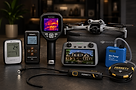
Using tools such as moisture meters, thermal imaging cameras, drones, electrical testing equipment, and years of professional training, inspectors look for evidence that something may not be performing as intended.
Our goal is not to predict every future issue or perform destructive testing.
Our goal is to identify material defects, safety concerns, and conditions that warrant further attention so clients can make informed decisions.
Why Reports Sometimes Recommend Further Evaluation
Consider these examples.
Example #1: Thermal Imaging Reveals a Potential Moisture Concern
An inspector may identify a temperature anomaly in a ceiling using thermal imaging technology.
The image suggests that moisture intrusion may be present.
However, the inspector cannot remove drywall, open ceilings, or perform invasive testing to determine the exact source of the moisture.
The report may recommend further evaluation and repair by a qualified roofing contractor or building envelope specialist.
The thermal image identified the concern.
The specialist determines the cause and performs the repair.
Example #2: Drone Inspection Identifies Roof Deterioration
A drone inspection may reveal damaged flashing, deteriorated sealants, lifted shingles, or other roofing concerns that are difficult to observe from the ground.
The inspector can document the condition and explain the potential implications.
However, determining whether a repair or complete replacement is required often falls within the scope of a qualified roofing contractor.
The inspection identifies the issue.
The contractor diagnoses the extent of the problem and recommends corrective action.
The Difference Between Screening and Diagnosis
The key distinction is understanding the difference between screening and diagnosis.
Screening
A home inspection:
Identifies concerns
Evaluates visible conditions
Documents deficiencies
Assesses safety risks
Recommends further investigation when appropriate
Diagnosis
Specialists may:
Perform invasive testing
Disassemble equipment
Open walls or ceilings
Conduct engineering analysis
Determine root causes
Design and perform repairs
Both roles are important.
Neither replaces the other.
Ignoring Findings Doesn't Make Them Less Important
One misconception we occasionally encounter is the belief that a finding is unimportant simply because the report recommends further evaluation.
In reality, the opposite is often true.
When a home inspector recommends additional evaluation, it usually means the observed condition could not be fully assessed within the scope of a visual, non-invasive inspection and deserves closer attention by the appropriate specialist.
If blood work identified a potentially significant abnormality, most people would not ignore it simply because the laboratory report did not provide a final diagnosis.
The same principle applies to home inspections.
Indicators of moisture intrusion, electrical concerns, structural movement, roofing deficiencies, or HVAC issues deserve proper follow-up to determine the extent of any necessary repairs.
Why This Protects Home Buyers
A professional home inspection helps buyers:
Better understand the property's condition
Prioritize repairs and maintenance
Identify potential safety concerns
Budget for future expenses
Negotiate intelligently
Reduce surprises after closing
No inspection can uncover every hidden condition.
However, a thorough inspection significantly improves the information available to buyers before they make one of the largest financial decisions of their lives.
The Thoroughbred Approach
At Thoroughbred Property Inspections, we view every inspection as an opportunity to help clients make informed, confident decisions.
We utilize advanced tools including thermal imaging, moisture detection technology, drone inspections, and comprehensive reporting to identify concerns that may otherwise go unnoticed.
Our role is not simply to point out defects.
Our role is to provide clarity, context, and professional guidance so our clients understand what matters, why it matters, and what steps should be considered next.
Just as blood work is an essential tool for understanding your health, a professional home inspection is an essential tool for understanding the condition of a home.
Neither provides every answer.
Both provide the information needed to ask the right questions before small concerns become major problems.
Thoroughbred Property Inspections LLC | Serving Maryland & Washington, DC
www.ThoroughbredPI.com | 410-505-7127 | info@thoroughbredpi.com
Licensed & Insured | InterNACHI Member


Comments